Why Choose a Folding Bike? Smart Urban Riding in Canada
Most people don’t need a better bike — they need a bike that actually fits their life.
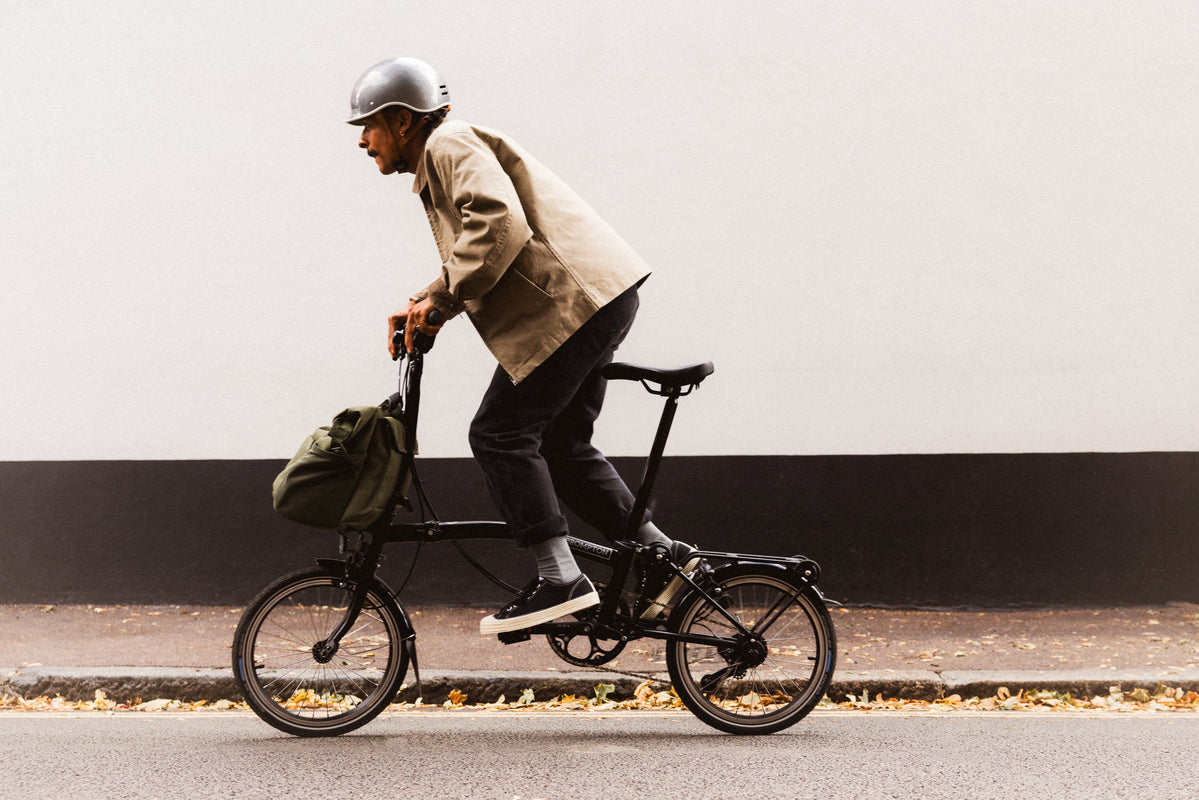
Traditional bicycles were designed for a different era: bigger homes, simpler commutes, and fewer worries about storage or theft. Today, many riders live in condos or townhouses, combine cycling with transit, and want flexibility rather than friction. That’s exactly why folding bikes exist — and why once people switch, they rarely go back.
This guide is a beginner-friendly introduction to why folding bikes make sense, especially for urban and suburban riders across Canada.
Why Folding Bikes Exist in the First Place
Cities have changed faster than bicycles.
Homes are smaller. Commutes are mixed and unpredictable. Bike theft is common. Public transit is part of everyday life. Yet a standard bike still assumes you have secure storage, predictable routes, and a place to leave it unattended.
Folding bikes were designed as a response to modern urban reality. Instead of asking you to adapt your life around a bike, they adapt the bike around your life.
1. Storage & Space: A Bike That Lives With You
For many riders, storage is the deal-breaker.
Apartments, condos, and townhomes often lack secure bike rooms — or the ones that exist are crowded, inconvenient, or unreliable. Storing a full-size bike inside can mean sacrificing hallway space, a balcony, or an entire room.
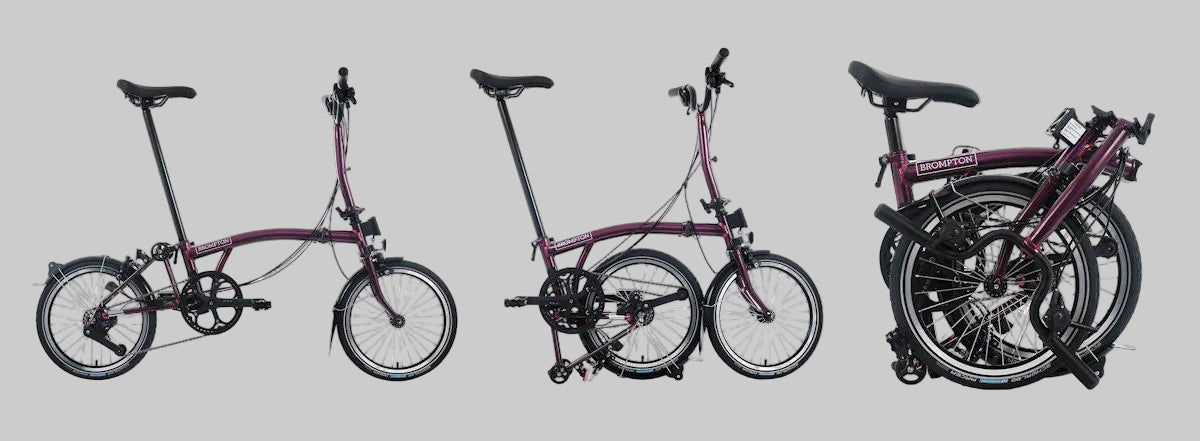
A folding bike solves this immediately. When folded, it fits neatly in a closet, under a desk, beside a couch, or even in a car trunk. Instead of being a permanent fixture, your bike becomes something you can put away when you’re not riding.
The result: you’re more likely to own a bike — and more likely to use it.
2. Mixed-Mode Commuting: Freedom Beyond One Route
Many riders don’t travel in a straight line from home to work.
A folding bike makes it easy to combine cycling with:
-
Trains and buses
-
Car trips and carpools
-
Ride-sharing or taxis
-
Ferries or regional transit
Instead of worrying about bike racks, schedules, or weather changes, you simply fold your bike and continue your journey. This flexibility is especially valuable in Canadian cities, where conditions can change quickly and transit rules around bikes can be restrictive.
Folding bikes excel at solving the first-mile / last-mile problem — turning inconvenient gaps into easy connections.
3. Weight & Portability: Real-World Convenience
Lightweight doesn’t matter if a bike is awkward to handle.
Portability is about real situations: carrying a bike up stairs, lifting it into a car, navigating elevators, or bringing it into a café or office. A well-designed folding bike can be picked up, rolled, or carried with ease.
This changes how and where you ride. You’re no longer limited by stairs, doors, or storage access. The bike moves with you instead of slowing you down.
4. Flexibility & Adaptability: One Bike, Many Roles
A folding bike isn’t locked into a single use.
It can be:
-
A weekday commuter
-
A weekend errand-runner
-
A travel companion
-
A shared household bike
As your life changes — moving homes, changing jobs, adjusting routines — your bike continues to fit. Accessories, luggage options, and different riding setups allow folding bikes to adapt over time instead of becoming obsolete.
This makes them a long-term mobility solution rather than a short-term purchase.
5. Security: The Bike You Don’t Leave Behind
Bike theft is a reality in most urban areas.
The safest bike isn’t the one with the biggest lock — it’s the one you don’t leave outside. Folding bikes eliminate much of the anxiety around theft because they come with you: into your home, workplace, or shop.
No searching for racks. No worrying during errands. No returning to an empty pole.
Peace of mind is one of the most underrated benefits of owning a folding bike.
Why Brompton Stands Out
Not all folding bikes are created equal.
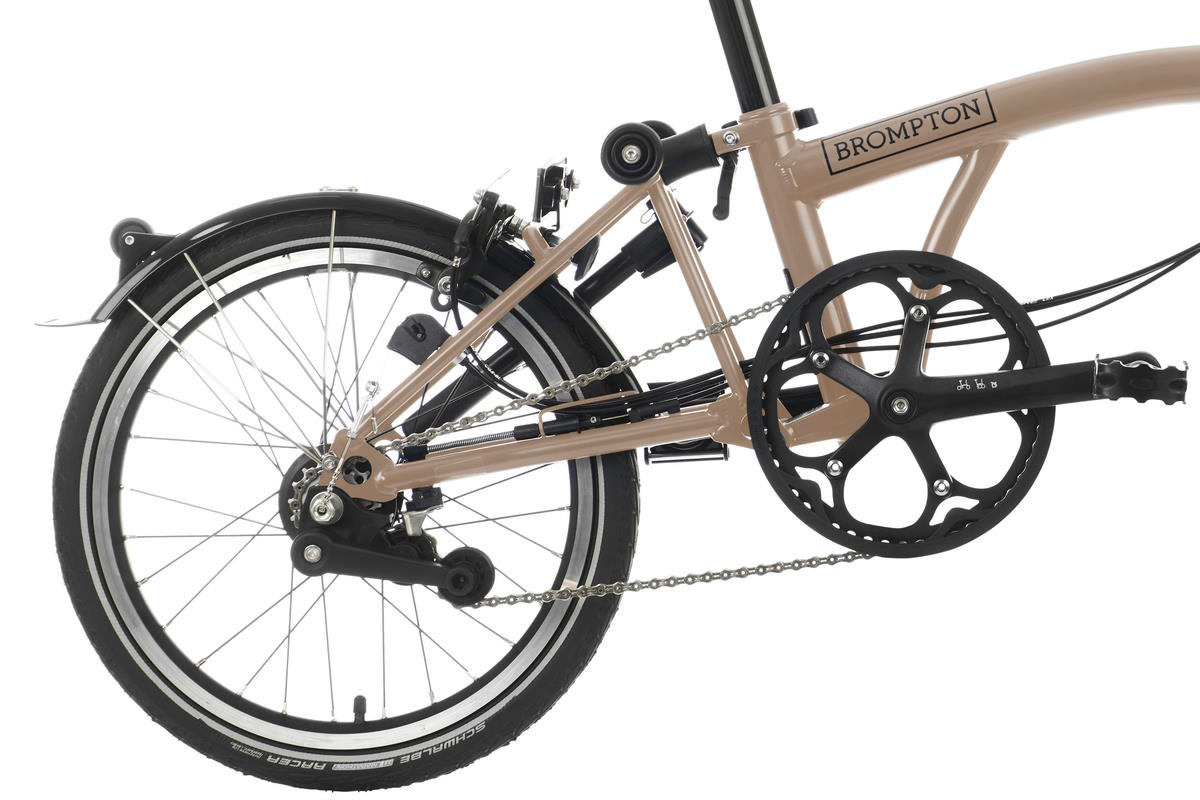
Brompton bikes are known for their exceptionally compact fold, thoughtful design, and long-term durability. They’re built to be carried, stored, and used daily — not just occasionally folded as a novelty.
For riders who want maximum portability and adaptability, Brompton tends to be the most versatile option. Other folding bikes, including some from Tern, offer a more traditional bike feel and can be a great fit for certain riders, but they generally fold larger and prioritize ride familiarity over compactness.
Choosing the right folding bike depends on how you plan to use it — and how important portability is in your day-to-day life.
Who Folding Bikes Are Ideal For
Folding bikes are especially well-suited for:
-
Condo and apartment dwellers
-
Transit and mixed-mode commuters
-
Urban professionals
-
RV and frequent travellers
-
Anyone tired of worrying about bike theft
If you’ve ever hesitated to ride because of storage, security, or logistics, a folding bike is likely the solution you’ve been looking for.
Is a Folding Bike Right for You?
If convenience, flexibility, and peace of mind matter more than owning the biggest or fastest bike, a folding bike makes a lot of sense.
At Fold ’n’ Go Cycles, we specialize in folding bikes and help riders find the setup that truly fits their lifestyle. Whether you’re new to cycling or rethinking how you get around the city, a well-chosen folding bike can completely change how often — and how easily — you ride.
Explore our Brompton collection to see how folding bikes are designed to work in the real world.